

Into the Wide Open Wild
Open plains, elephants, lions, giraffes, and unforgettable wildlife encounters in
southern Tanzania
Why visit Mikumi?
See Wildlife Across the Mkata Floodplain
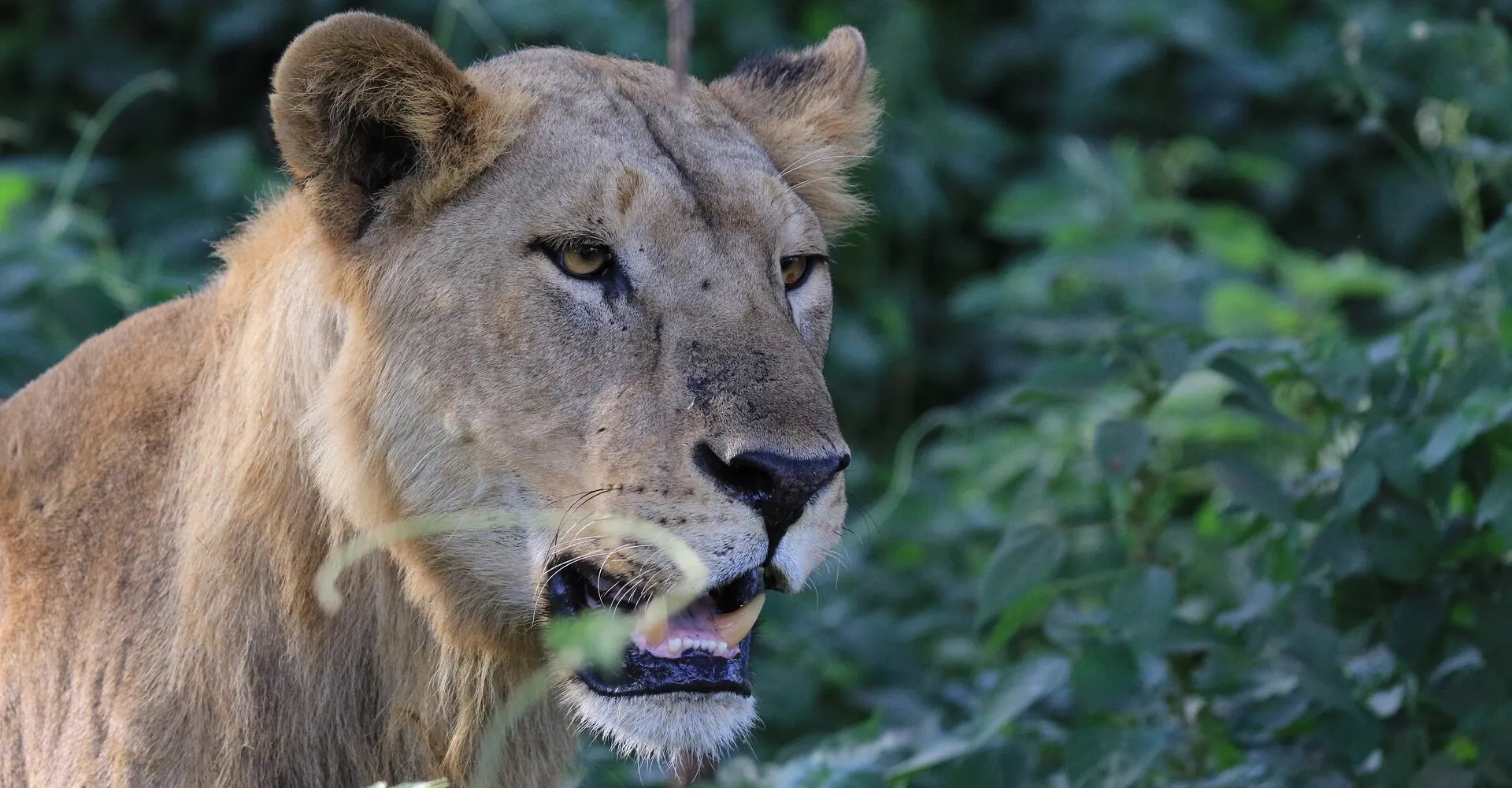
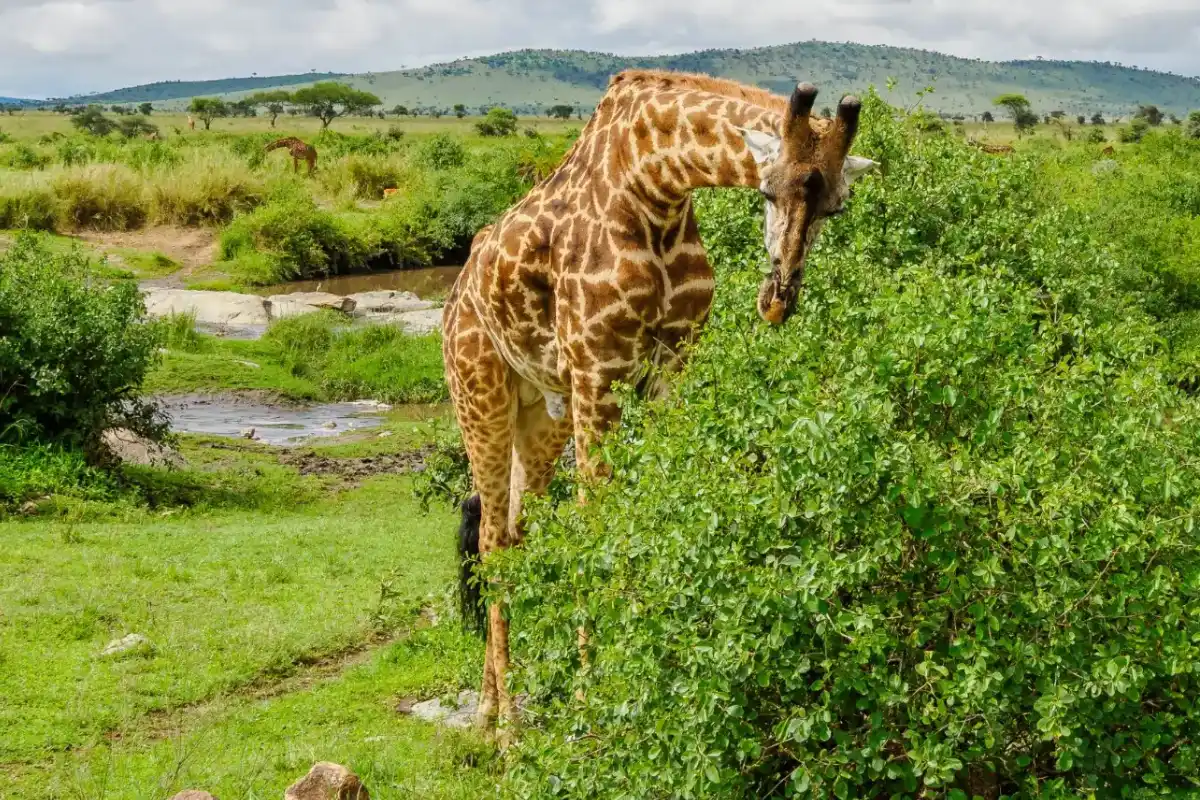
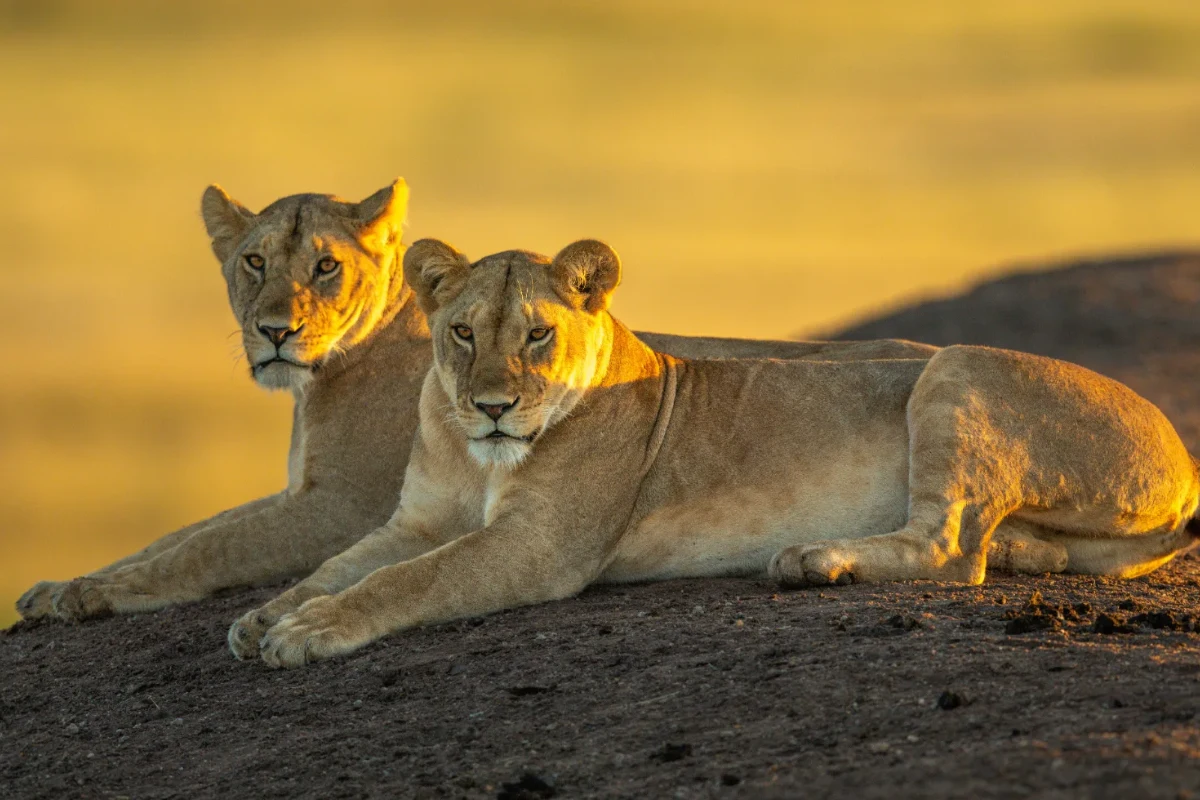
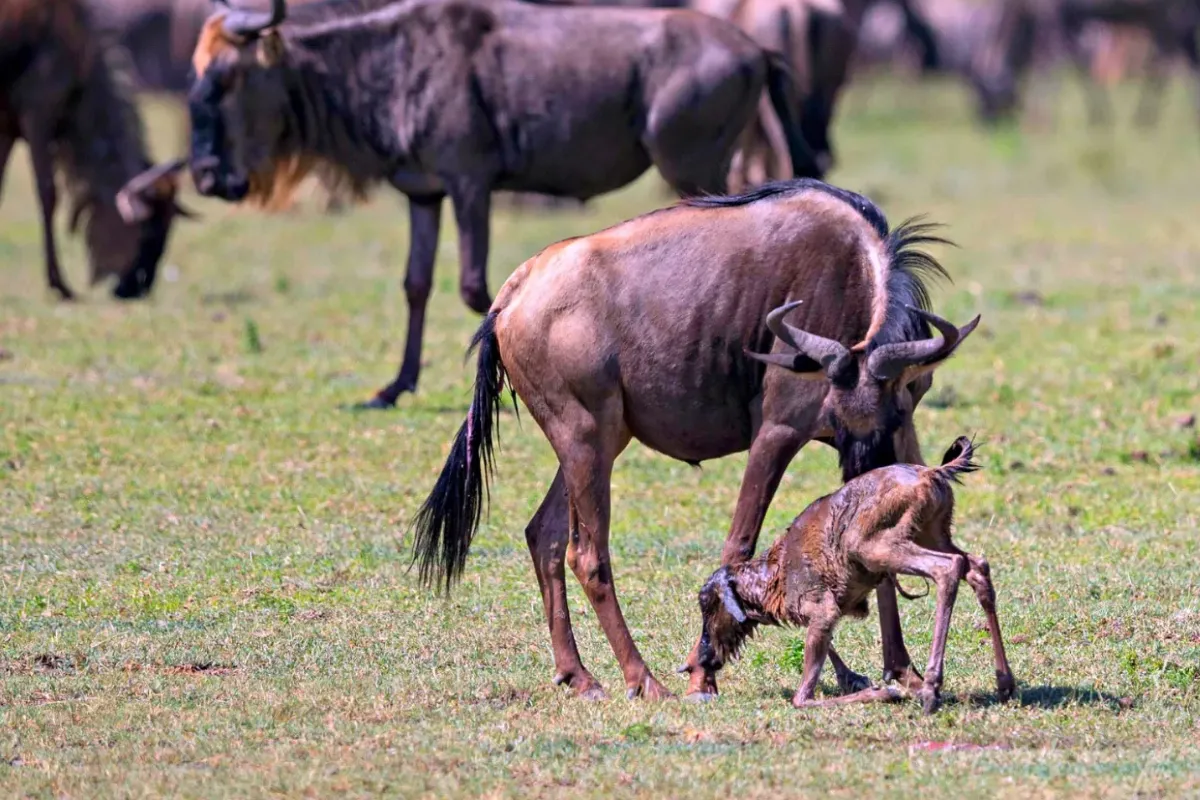
Mikumi National Park offers a genuinely accessible way into southern Tanzania's wildlife, with broad grassland, woodland and seasonal wetland forming a classic safari landscape. The Mkata River and the plains around it draw elephant, buffalo, zebra, wildebeest, giraffe and a long list of antelope, while lion and other predators move through the grassland tracking them. The open terrain here makes wildlife relatively straightforward to spot, and the distant Uluguru and Udzungwa mountain ranges add real depth to the view. For anyone after a genuine safari experience without committing to a long trek into the remote south, Mikumi is a practical, rewarding option.
The open floodplain is one of the park's biggest draws for wildlife viewing specifically. Large herbivore herds share the grassland with their predators, hippo gather around the right water sources, and colourful birds turn up across the wetland and woodland alike. The Mkata floodplain in particular delivers some of the park's most memorable scenery, with wildlife often visible clean against an open horizon. Game drives here let visitors work through these habitats and genuinely feel the park's character shift as they go.
Mikumi also pairs wildlife and scenery within a destination that's genuinely easy to reach. Surrounding woodland, seasonal wetland and those distant mountain ranges add real variety to the open plains, and the park's location makes it an easy fit into a wider southern Tanzania trip. A short stop introduces travellers to the region's wildlife well enough, while a longer stay opens up proper time across the Mkata floodplain and the habitats around it.
Discover More of Southern Tanzania
Mikumi National Park covers roughly 3,230 square kilometres and forms part of the larger Selous ecosystem. The Mkata floodplain dominates much of the park, ringed by woodland and mountain that build a genuinely varied backdrop for wildlife viewing. Seasonal water sources shape animal movement across the plains, while the grassland offers abundant grazing for the large herbivores. That open character gives Mikumi a spacious feel throughout, with wildlife often visible across real distance.
The park also works well as a starting point for exploring southern Tanzania's contrasting landscapes more broadly. Wildlife enthusiasts can spend real time searching out elephant, buffalo, giraffe, zebra and predators, while photographers work the broad plains and mountain backdrops for changing scenery. Birdwatchers can explore wetland, grassland and woodland habitat, and travellers after a slower pace can simply enjoy time at camp between drives. The range of habitat gives each stretch of the visit its own distinct character.
Mikumi provides a natural link to other southern Tanzania destinations too. Pair it with Nyerere for river and wetland experiences, or Udzungwa for mountain forest and hiking. Together, that builds a journey through genuinely contrasting environments — open savannah, rivers, forest and mountain landscape all in one trip. For travellers looking beyond the well-trodden northern circuit, Mikumi opens up a genuinely different side of Tanzania.
Explore Tanzania Your Way
Explore Tanzania through wildlife, landscapes, culture,
mountains, beaches, and safari journeys
At Lifetime Safaris we don't just organise your safari, we create the experience around you
As destination specialists, we combine local knowledge, thoughtful planning and a passion for Tanzania to create journeys shaped around your interests, pace and travel style.
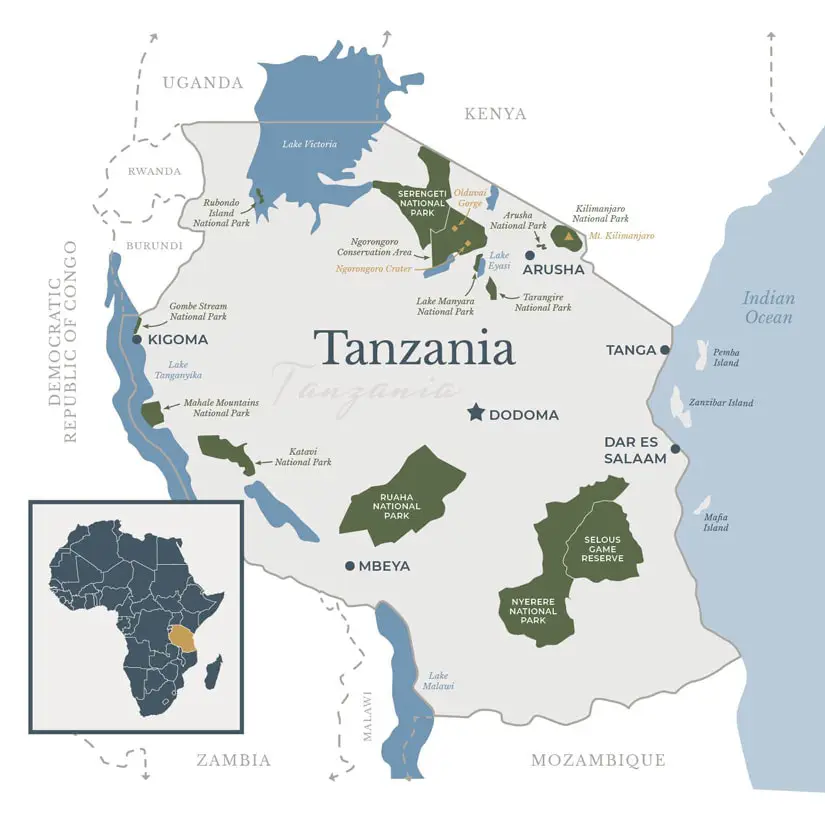
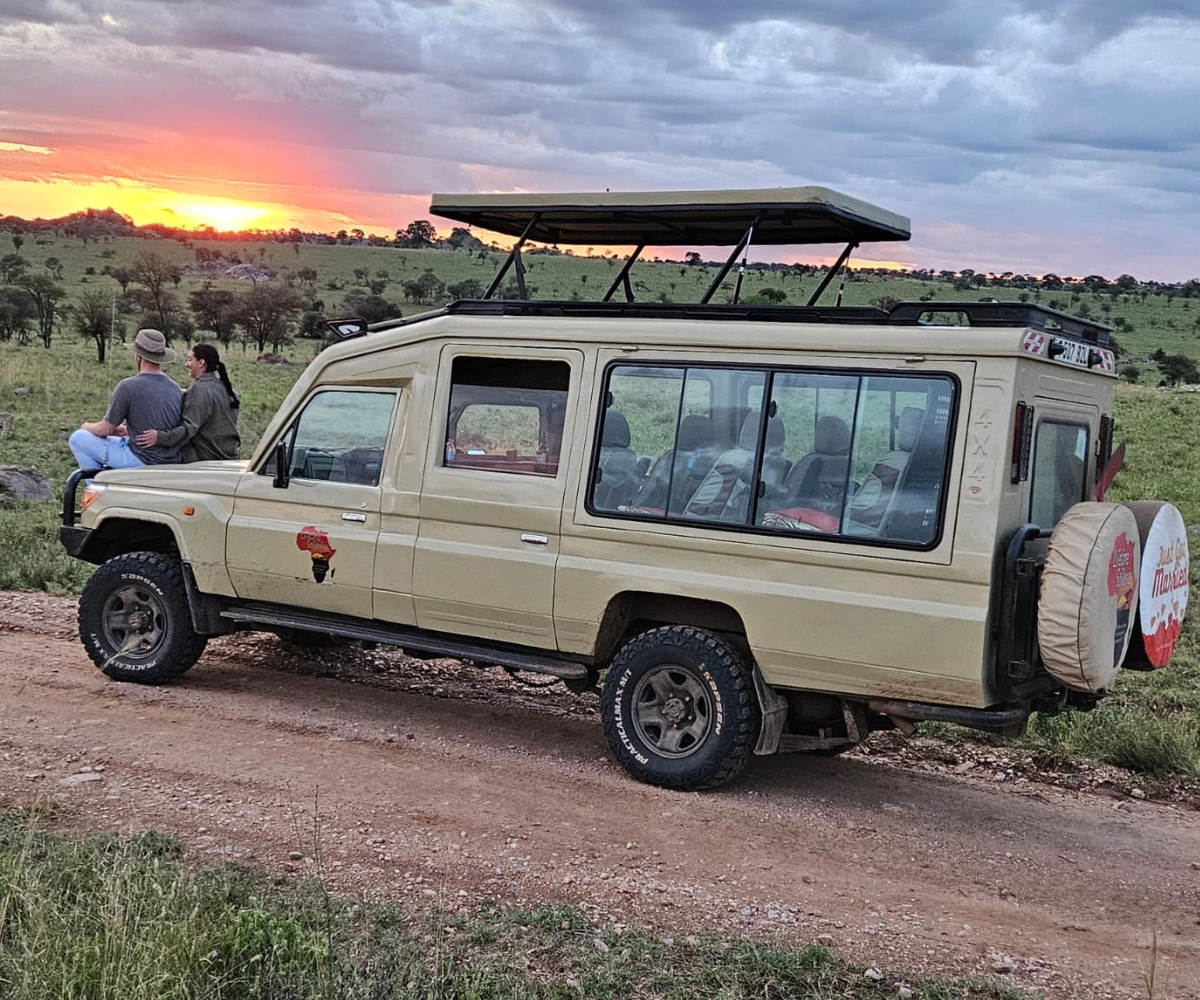
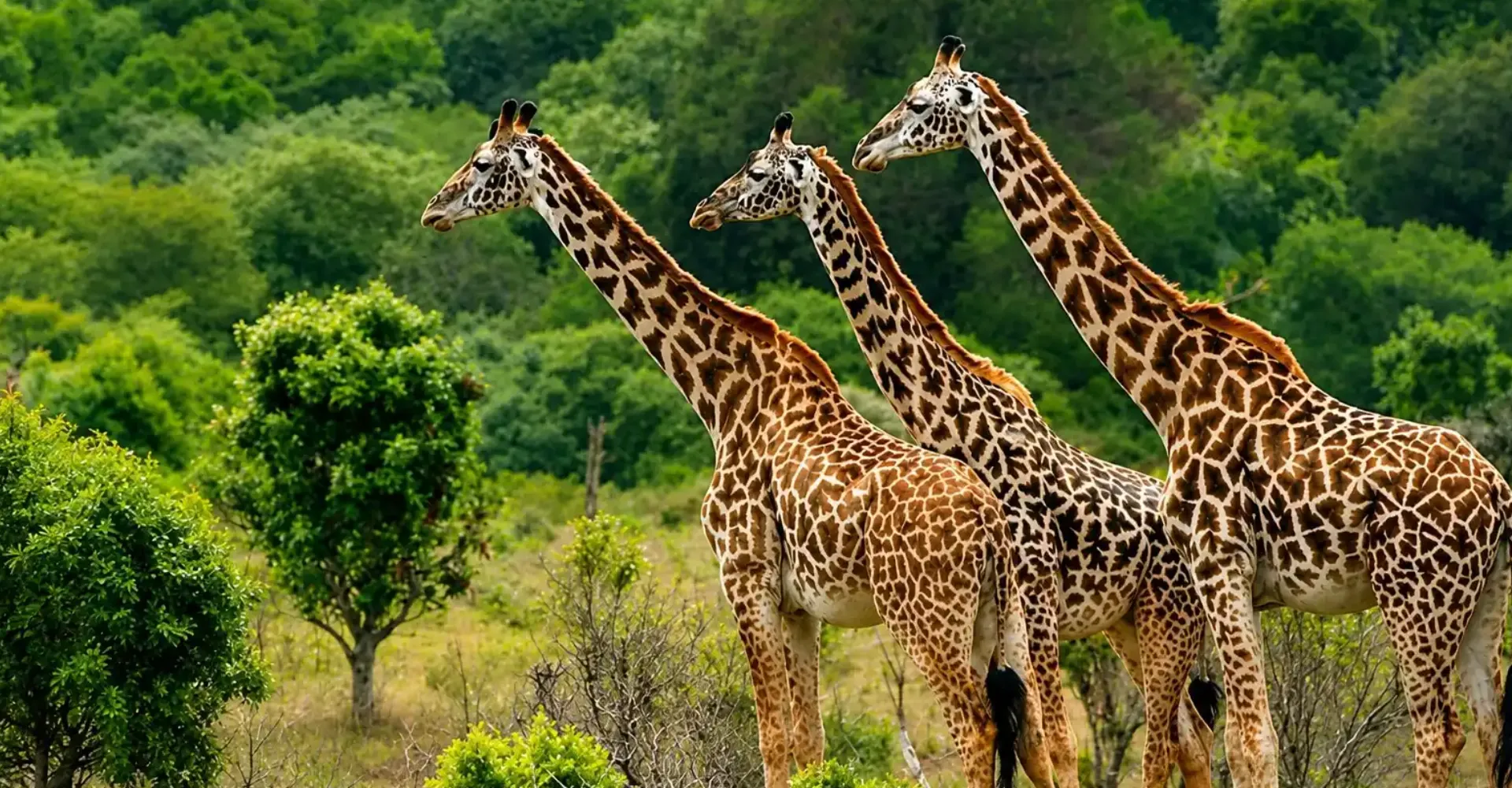
With open savannahs, mighty elephants, seasonal wetlands, and distant mountains, Mikumi National Park offers authentic wildlife encounters and memorable southern Tanzania safaris.
When To Visit
Discover the right season for wildlife, open plains, birdlife and unforgettable southern
Tanzania safari experiences.
Mikumi can genuinely be visited year-round, though seasonal shifts do shape both the landscape and the overall experience. The drier months generally make for easier game drives and clearer visibility across the plains, while the wetter periods bring fresh vegetation, seasonal water and active birdlife. Picking the right time really comes down to whether classic dry-season conditions or greener landscape appeals more to you.
- January
- February
- March
- April
- May
- June
- July
- August
- September
- October
- November
- December
- Best
- Good
- Mixed
Best time to safari in Mikumi
June to October
June to October is generally the popular window for exploring Mikumi National Park, with drier conditions making the roads easier to navigate and wildlife noticeably easier to spot across open ground. As vegetation thins and water grows more limited, animals concentrate around rivers, pools and other dependable sources. The Mkata floodplain in particular offers genuinely open views through this period, and the surrounding mountains build a striking backdrop for photographs. The comfortable conditions also make longer stretches on game drives a lot more manageable.
January and February offer another useful window, with relatively drier conditions sitting between the main rains. The wetter months bring greener landscape and more seasonal water across the floodplain, opening up genuinely beautiful scenery and strong birdwatching. Rain can make certain tracks harder going, particularly after heavier showers, but it also refreshes the vegetation and gives the park a genuinely different character. Wildlife tends to spread out more once water's available across a wider stretch of ground.
Easier game viewing and generally drier conditions as the priority? June to October is the popular pick. Prefer greener scenery, real seasonal change and stronger birdlife instead? The wetter periods hold their own. Mikumi stays a genuinely flexible destination throughout, and its location makes it particularly useful for travellers building out a wider southern Tanzania itinerary.
Experience Mikumi Through the Seasons
Mikumi shifts with the seasons, giving travellers different reasons to visit depending on when they come. Through the drier months, open ground makes wildlife easier to spot, and the Mkata floodplain opens up broad views across the whole park. Once the rains arrive, the landscape turns green and seasonal water spreads across the floodplain, creating a genuinely fresh setting for both wildlife viewing and photography.
The wetter months hold particular appeal for travellers drawn to lush scenery and active birdlife. Woodland, grassland and wetland all take on a greener look, and seasonal water pulls in different bird species and other wildlife alongside them. Anyone who prefers more predictable road conditions and clearer views tends to find the drier months a better fit, especially for longer drives across the open plains.
The season chosen also shapes how Mikumi fits into a wider southern Tanzania safari. The drier period offers comfortable conditions for exploring the park itself, while the greener months bring a genuinely different perspective before or after visiting destinations like Nyerere National Park or the Udzungwa Mountains. Building the trip around your own priorities, rather than a fixed calendar, is what actually gets the most out of time spent in Mikumi.
Plan Your Tanzania Journey With
Local Safari Experts
Share your ideas and let our team shape the trip around you.
- Honest advice from local experts
- Routes designed around your personal travel interests
- Save hours with practical safari planning support







Your Tanzania Safari Travel Guide
Practical advice on Tanzania safari destinations, seasons,
activities, and planning your journey.


Hear From Our Travellers
Hear from travellers who discovered Tanzania with Lifetime Safaris
and shared their experiences
Good guide is very important
High recommend Danford and Lifetime Safaris! Danford is a skilled attentive driver with deep Safari knowledge and great instincts.

Paulo P
Love Lifetime Safaris
Great safari with our guide Humphrey! Safari roads are crazy and we felt safe, comfortable and well supported the whole time.
Kerri P
An unforgettable safari experience
An unforgettable experience indeed! We travelled with our friends and it’s a total six of us. Our guide Danford was excellent.
Stephen M
Trip of a lifetime with guide James
We have just recently returned from Tanzania, an absolute trip of a lifetime made even more special because of our guide James.
Cindy
Wonderful adventure in Tanzania
Wonderful adventure in Tanzania visiting local villages and markets, Materuni waterfalls, Tarangire, Serengeti, and Ngorongoro parks.
Oscar
Unforgettable Safari Experience
We had an incredible experience on our safari, and a huge part of that was thanks to our amazing guide James "Bond".
stephen k
Ready to plan?
Tell us your interests, dates, and ideas, and we’ll help
shape your Tanzania safari journey
Journeys
Explore Tanzania with journeys shaped around your interests, pace, and travel style.
Contact Us
Have questions about your Tanzania safari? Speak with our local team and start planning your journey.